Geogrid Mesh Performance in Extreme Weather Conditions
Release time:2026-01-29 Click:18
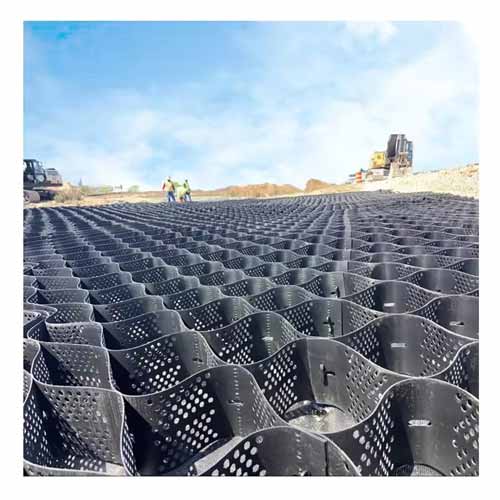
Geotechnical engineering relies heavily on the stability of soil, especially in infrastructure projects like roads, retaining walls, and embankments. Geogrid mesh is a synthetic material used to reinforce soil, and its performance in extreme weather conditions is a critical factor for project longevity. Whether subjected to the freeze-thaw cycles of the Arctic or the scorching heat and UV exposure of the tropics, high-quality geogrid must maintain its structural integrity to provide continuous reinforcement and prevent soil failure.
In cold climates, the freeze-thaw cycle poses a severe challenge to soil stability. As water within the soil freezes and expands, it creates pressure that can cause heaving and cracking. Geogrid mesh performs exceptionally well in these conditions by creating a confinement effect that limits the movement of soil particles. Even when the soil expands, the flexible yet strong nature of the geogrid accommodates the movement without rupturing. Upon thawing, the geogrid helps the soil settle back into a compacted state, maintaining the integrity of the structure and preventing the formation of ruts and potholes.
Conversely, in hot and arid environments, the primary concern is thermal stability and UV degradation. Prolonged exposure to intense sunlight can degrade many polymers, causing them to become brittle and lose their tensile strength. Geogrids designed for extreme weather are manufactured with advanced stabilizers and carbon black additives that protect against UV radiation. This ensures that the mesh retains its high tensile strength and stiffness over many years, preventing the embankment or wall from failing due to material degradation under the sun's relentless heat.
The performance of geogrid mesh is also tested during extreme weather events such as heavy rainfall and storms. In these situations, the soil becomes saturated and heavy, increasing the risk of landslides or washouts. The geogrid acts as a tensile reinforcement, interlocking with the soil particles to increase shear resistance. This reinforcement helps the soil mass stay together even when super-saturated, preventing erosion and maintaining the stability of slopes and foundations during torrential downpours. The open mesh structure also allows for drainage, preventing the build-up of hydrostatic pressure behind the reinforcement layer.
Ultimately, the performance of geogrid mesh in extreme weather conditions is a testament to the material’s engineering quality. By maintaining its properties under thermal stress, moisture, and UV exposure, it provides a reliable solution for soil reinforcement in diverse climates. For engineers and contractors working in challenging environments, selecting geogrids rated for extreme weather ensures that infrastructure remains safe and stable, safeguarding the project against the unpredictable forces of nature.
Previous article:Erosion Control and Vegetation Support Through Geomat Technology
Next article:Erosion Control Reinvented: The Power of Geobag
Hot products
Mobile: +86 15097722953
Email:metalproducts2021@163.com
Email:1755383270@qq.com