Product details description
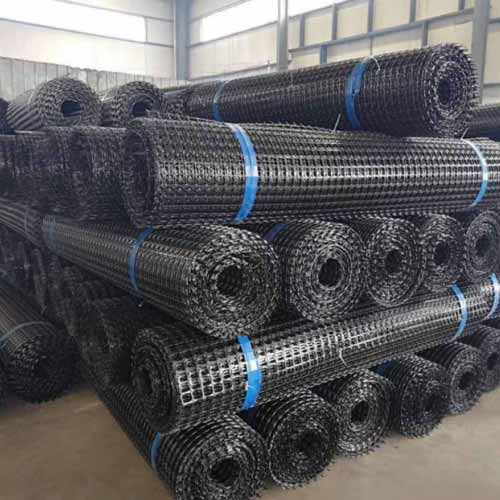
Geogrid is a critical geosynthetic material used for base course
stabilization in highways, designed to enhance the strength, durability, and
performance of highway pavements. Made from high-strength polymers such as
polypropylene or polyester, geogrid features a grid-like structure that
reinforces the base course material—typically gravel or crushed stone—by
distributing loads evenly and preventing lateral movement. Unlike traditional
highway base courses that may settle, rut, or degrade over time due to heavy
traffic and environmental factors, geogrid-stabilized base courses maintain
their integrity, extending the lifespan of the highway.
The base course stabilization function of geogrid is achieved through its
unique interlocking mechanism with the base material. When installed between the
subgrade and the base course, the geogrid’s grid openings allow the gravel or
crushed stone particles to interlock with the geogrid, creating a rigid
composite structure. This interlocking prevents the base material from shifting
or spreading under the weight of highway traffic, reducing settlement and
rutting. The geogrid also distributes the load from vehicles across a wider
area, reducing the stress on the subgrade and preventing premature pavement
failure.
Durability and resistance to environmental factors are essential properties
of geogrid for highway applications. The polymer materials are resistant to UV
radiation, moisture, chemicals, and biological degradation, ensuring the geogrid
maintains its strength and performance for decades, even in harsh outdoor
conditions. Unlike organic materials that may rot or decompose, geogrid is inert
and unaffected by soil bacteria or fungi. Additionally, the geogrid is
lightweight and easy to handle, simplifying transportation and installation
processes, which is critical for highway construction projects with tight
schedules.
Cost-effectiveness and sustainability further enhance the value of geogrid
for highway base course stabilization. By reinforcing the base course, geogrid
reduces the required thickness of the base material, lowering material and
construction costs. The extended lifespan of the highway pavement reduces
maintenance and rehabilitation costs over time. Additionally, geogrid is
recyclable, aligning with sustainable construction practices. Whether used in
new highway construction or the rehabilitation of existing pavements, geogrid
provides a reliable, efficient solution for base course stabilization, ensuring
highways can withstand heavy traffic and environmental stressors for years to
come.
geogrid for road geogrid machine geocell slope Composite geogrid
Previous article:
Geogrid vs Geotextile: Ground Stabilization Comparison
Next article:
Geogrid for Slope Protection and Erosion Control Mats