Polypropylene (PP) Geogrid for Road Construction
Release time:2026-01-22 Click:19
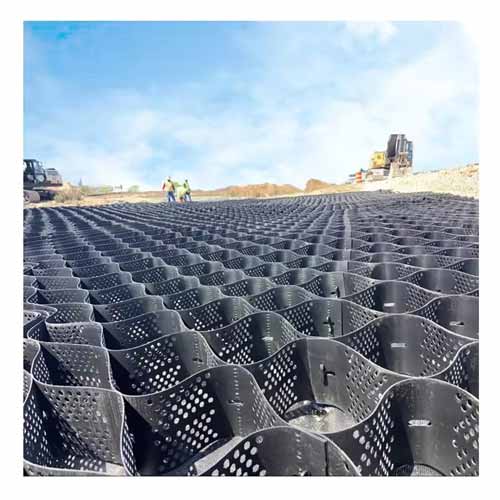
Polypropylene (PP) geogrid for road construction provides essential soil reinforcement and stabilization solutions for infrastructure projects requiring improved load distribution and long-term pavement performance. The high-strength polymer construction offers excellent resistance to chemical attack, biological degradation, and environmental stress while maintaining dimensional stability under various loading conditions.
Material composition employs virgin polypropylene resin with antioxidant additives that prevent UV degradation and oxidative breakdown during extended service life. Molecular orientation during manufacturing creates superior tensile strength properties with typical ultimate tensile strengths exceeding 100 kN/m in both machine and cross directions. The grid structure facilitates soil interlock and load distribution across reinforced soil masses.
Installation procedures include proper soil preparation, tensioning requirements, and connection methods that ensure optimal performance characteristics. The geogrid placement depth varies from 150-300mm below finished surface depending on load requirements and soil conditions. Overlap requirements typically range from 150-300mm at joints, with proper tensioning ensuring continuous reinforcement throughout the reinforced zone.
Quality control measures include factory testing for tensile strength, junction efficiency, and creep resistance to ensure consistent performance standards. The material maintains structural properties across temperature ranges from -40°C to +80°C, ensuring year-round performance reliability. Chemical resistance includes protection against alkalis, salts, and organic solvents commonly found in soil environments.
Applications span road base reinforcement, retaining wall stabilization, slope reinforcement, and subgrade improvement projects where soil strength enhancement is required. The lightweight nature (typically 0.5-1.5 kg/m2) simplifies installation compared to traditional reinforcement methods while providing superior soil stabilization performance.
Economic benefits include reduced aggregate requirements, extended pavement service life, and lower maintenance costs compared to unreinforced construction methods. Environmental advantages include resistance to biological degradation and long-term chemical stability in soil environments.
Previous article:Soil Stabilization Techniques Using Erosion Control Mat
Next article:Enhancing Slope Stability with High-Strength Geogrid Reinforcement
Hot products
Mobile: +86 15097722953
Email:metalproducts2021@163.com
Email:1755383270@qq.com