Stabilizing the Earth's Surface with Erosion Control Mats
Release time:2026-01-27 Click:26
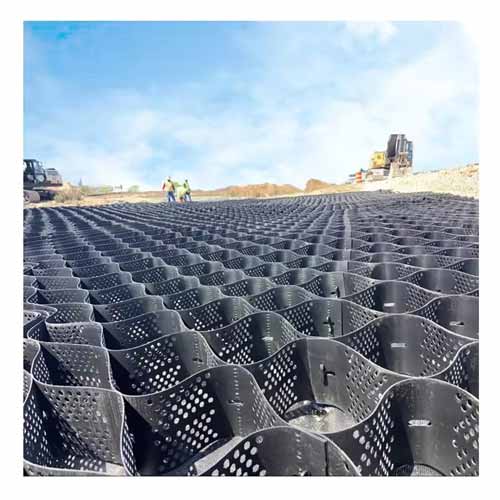
An erosion control mat (ECM) is a biodegradable or synthetic blanket or mesh laid over soil to protect it from the erosive forces of water and wind. It acts as a temporary ground cover that stabilizes seed and soil, promotes vegetation growth, and prevents sediment runoff on slopes, embankments, construction sites, and riverbanks until newly planted vegetation can establish its own root system. By mitigating soil loss, these mats play a crucial role in environmental conservation, construction compliance, and infrastructure protection, preventing landslides, preserving water quality in adjacent streams, and reducing the need for costly repairs to eroded landscapes.
ECMs are manufactured from a variety of materials, each suited to different applications and longevity requirements. Biodegradable mats are made from natural fibers like straw, coconut (coir), or jute, which decompose over one to three years as vegetation takes hold. These are ideal for permanent landscaping and ecological restoration projects. Synthetic mats, made from plastic polymers like polypropylene, offer longer-term reinforcement and are used in more severe erosion scenarios, such as high-velocity channels or shoreline protection. Some products combine both, with a synthetic net supporting a biodegradable fiber matrix, offering immediate protection and long-term soil integration.
Installation is a key factor in the effectiveness of an erosion control mat. The process typically involves preparing and grading the soil, applying seed and fertilizer, and then rolling out the mat directly over the seeded area. The mat is then anchored securely with staples or stakes, especially at the top and edges of slopes, to prevent uplift from wind or water flow. Proper overlap between adjacent rolls ensures continuous coverage. The mat's open matrix allows rainwater to penetrate while holding soil and seed in place, creating a microclimate that retains moisture and enhances germination, all while shielding the vulnerable soil surface from direct impact.
The use of erosion control mats is integral to sustainable land management and regulatory compliance, particularly in the construction industry where sediment control is mandated. Innovations focus on improving performance and sustainability, such as developing mats with higher tensile strength from recycled materials or incorporating mycorrhizal fungi to boost plant growth. As climate change increases the frequency of intense rainfall events, the proactive use of ECMs becomes even more critical for landscape resilience. From highway construction to mine reclamation, these mats represent a simple yet profoundly effective technology for working in harmony with natural processes to protect and restore the earth's fragile skin.
Previous article:The Function of Drainage Net
Next article:Containment and Barrier Solutions with Impermeable Geomembranes
Hot products
Mobile: +86 15097722953
Email:metalproducts2021@163.com
Email:1755383270@qq.com