The Long-Term Performance Benefits of Geogrid
Release time:2026-01-06 Click:36
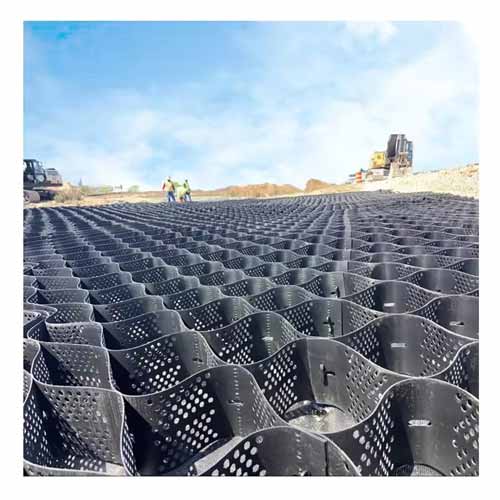
Geogrids offer significant long-term performance benefits in civil engineering projects by enhancing the stability and longevity of soil structures. These synthetic mesh materials are placed within soil or aggregate to create a reinforced composite material through mechanical interlock. The primary long-term benefit is the reduction of rutting and differential settlement in paved roads and working platforms.
By confining the aggregate base course, geogrids distribute loads over a wider area, reducing the stress on the weak subgrade. This prevents the aggregate from punching into the soft soil below, which is a primary cause of premature pavement failure. Over the decades, this results in a much slower rate of deterioration, significantly extending the service life of the road and reducing the frequency and cost of major rehabilitation. Furthermore, in reinforced soil walls and steep slopes, geogrids provide tensile strength that the soil lacks, preventing slumping and erosion over time. The initial investment in geogrid reinforcement is quickly offset by the substantial long-term savings in maintenance and the increased resilience of the infrastructure.
Previous article:Steel-Plastic Composite Retaining Wall Reinforcement Geogrid for Heavy-Duty Slopes
Next article:How Geocell Systems Transform Soil Engineering
Hot products
Mobile: +86 15097722953
Email:metalproducts2021@163.com
Email:1755383270@qq.com