Preventing Waterlogging with Efficient Drainage board
Release time:2026-02-26 Click:14
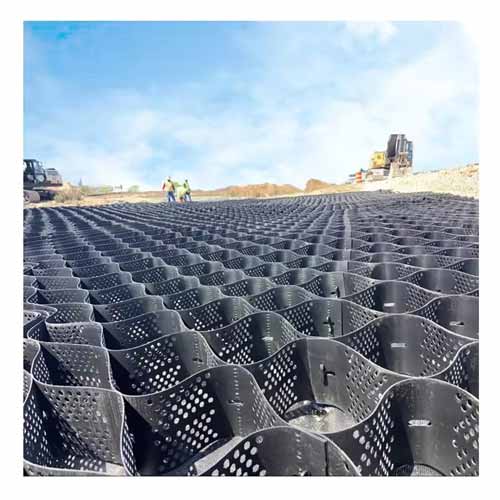
In construction projects such as basement waterproofing, roof gardens, green roofs, and roadbed drainage, preventing water accumulation, protecting structures from water damage, and ensuring soil aeration requires a reliable drainage solution, and Drainage board is a key component. Unlike traditional drainage materials such as gravel or sand that are heavy, difficult to install, and prone to clogging, Drainage board features a lightweight, three-dimensional structure with raised studs or channels that create a gap for water flow. This design efficiently collects and diverts excess water, preventing waterlogging and protecting building foundations, roof structures, or roadbeds.
The design and material selection of Drainage board are optimized for diverse construction and drainage needs. Common materials include high-density polyethylene (HDPE), polypropylene (PP), and PVC—HDPE drainage board is durable, corrosion-resistant, and UV-stabilized, ideal for outdoor applications such as green roofs and roadbeds; PP drainage board is lightweight and cost-effective, suitable for indoor applications such as basement waterproofing; PVC drainage board offers excellent chemical resistance, used in industrial or chemical-contaminated areas. Drainage board comes in various types, including dimpled drainage board (for waterproofing and drainage), geocomposite drainage board (integrated with geotextile for soil separation), and permeable drainage board (for green roof applications). It is available in different thicknesses and stud heights, with higher studs for greater water storage and flow capacity. Additionally, it can be easily cut and shaped to fit irregular areas.
Installation and maintenance of Drainage board are simple and efficient. It is typically installed by unrolling or placing the boards on the surface (such as basement walls, roof decks, or roadbeds) and securing them with fasteners or adhesives. For green roof applications, a geotextile layer is often placed over the drainage board to prevent soil clogging the studs or channels. Regular maintenance is minimal, as the drainage board is resistant to clogging and degradation. Periodic inspections involve checking for damage to the board (such as tears or punctures) and ensuring the drainage outlets are unobstructed. Damaged sections can be repaired with patches or replaced, minimizing repair costs. The efficiency, lightweight, and durability of Drainage board make it an essential component in modern construction drainage systems, protecting structures from water damage and ensuring long-term stability.
Previous article:Reinforcement Solutions Using Geogrid Rolls for Soil Stabilization and Pavement Construction Applications
Next article:High Performance Extruded Geogrid for Soil Reinforcement
Hot products
Mobile: +86 15097722953
Email:metalproducts2021@163.com
Email:1755383270@qq.com