Product details description
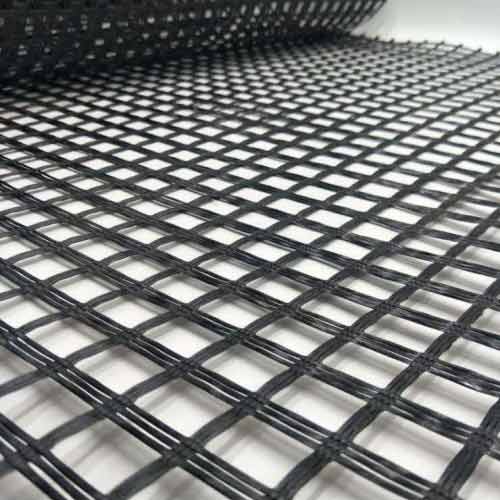
Geogrids are synthetic polymeric grids used in civil engineering to
stabilize soil and prevent erosion, offering significant environmental
advantages over traditional hard-armoring methods like riprap or concrete
retaining walls. The primary environmental benefit is the reduction of
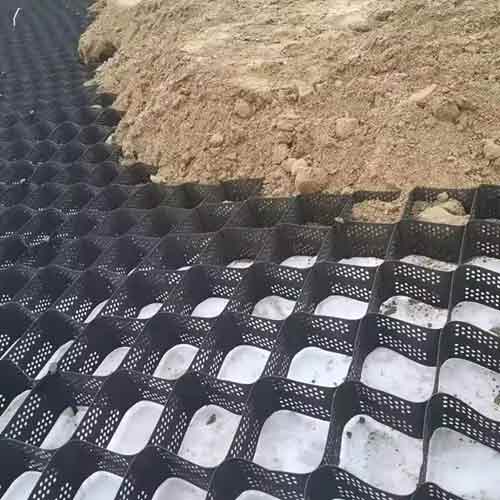
earthworks and excavation. By reinforcing the soil in situ, geogrids allow for
steeper slopes and vertical walls to be constructed without removing massive
amounts of existing soil. This preserves the natural topography, minimizes
habitat disruption, and reduces the carbon emissions associated with heavy
earth-moving machinery.
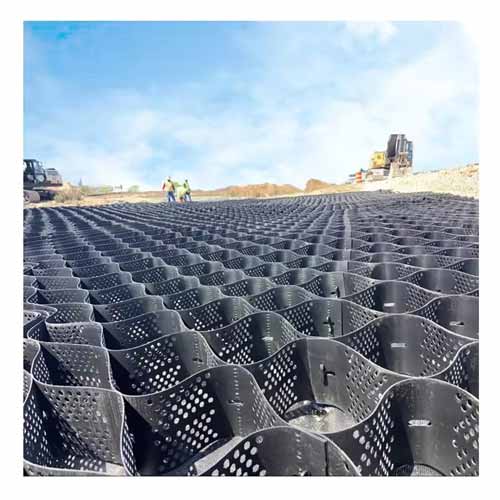
Vegetation integration is a key eco-friendly feature of geogrids. Unlike
impermeable concrete, geogrids are permeable, allowing water to pass through
while holding the soil in place. This creates an ideal environment for
hydroseeding and revegetation. The grid structure protects the seeds and young
roots from being washed away by rain or wind, enabling the establishment of a
permanent vegetative cover. This "green" armor not only stabilizes the slope
aesthetically but also improves local biodiversity, providing habitat for
insects and small fauna, and helps integrate the infrastructure into the natural
landscape.
The longevity and durability of geogrids contribute to sustainability. Made
from high-density polyethylene (HDPE) or polyester, they are resistant to
biological degradation, rot, and chemical attack in the soil. They do not rust
like metal or crack like concrete, meaning they maintain their structural
integrity for decades without replacement. This long service life reduces the
consumption of raw materials and the energy required for maintenance and
reconstruction. Furthermore, modern geogrids are often manufactured with UV
stabilizers and recycled content, further lowering their embodied carbon.
Geogrids facilitate sustainable drainage systems (SuDS). In road
construction and retaining walls, they can be used to create "green walls" or
permeable pavements. By allowing water to infiltrate the ground rather than
running off into storm drains, geogrids help recharge groundwater aquifers and
reduce the risk of flash flooding downstream. This natural filtration process
also cleans the water as it passes through the soil layers, removing pollutants
and sediment before they reach natural waterways, thus protecting aquatic
ecosystems.
Finally, the use of geogrids supports climate change adaptation. In coastal
areas, they can be used to reinforce dunes and seawalls, providing resilience
against rising sea levels and storm surges without the ecological damage caused
by rock armor. In areas prone to landslides, soil nailing with geogrids prevents
catastrophic slope failures that could destroy forests and release large amounts
of stored carbon. By using a lightweight, flexible material that works with the
natural environment rather than against it, geogrids represent a sophisticated,
low-impact engineering solution for protecting the earth's surface.
geogrid for road geogrid machine geocell slope Composite geogrid
Previous article:
How Geogrids Enhance Soil Stability in Construction Projects
Next article:
Geogrid in Retaining Walls: Structural Support Systems